

Brothers, Preach the Nicene Creed to Magnify Your God

There are certain Christian truths where eternity hangs in the balance. The Trinity is foremost among them. The Nicene Creed—preached from the pulpit—addresses the Trinitarian deficiency present among evangelicals.
Debatable, Unnecessary, or Essential? The Virgin Birth and Mary as the Mother of God
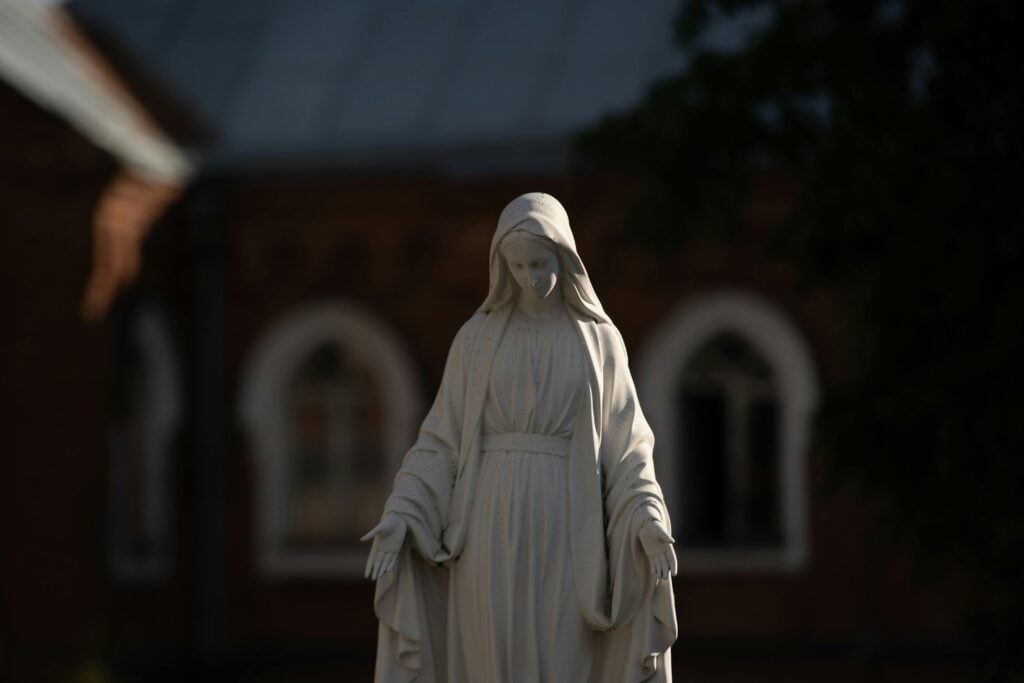
All the creeds agree: the Lord Jesus “became incarnate of the Virgin Mary.” But how essential is the affirmation of the virgin conception of Jesus? And is it appropriate to call her “the mother of God”? Michael Pereira weighs in on these two questions.
Nicaea & Nestorius: Why Old Creeds Are Not Enough to Guard From New Challenges

Creeds are helpful and necessary, but only insofar as they clarify and define the teaching of the Scriptures. Once creeds and their language start to lose purchase with people in the church, or do not clearly address the issue of the day, it is important to further define or update them.
“What hath Nashville to do with Nicaea?”

In rejecting creeds like Nicaea for the sake of ‘soul liberty’ and biblicism, many Baptists—especially in America—have inadvertently marginalized the central theological claim of Scripture: the revelation of the one true God as Triune.
Christ Came for Us Men and for our Salvation

Is the gospel a mere historical announcement of what Jesus has done? Or does it include a call to embrace a personal salvation that Jesus was sent down to accomplish?
On The Holy Spirit
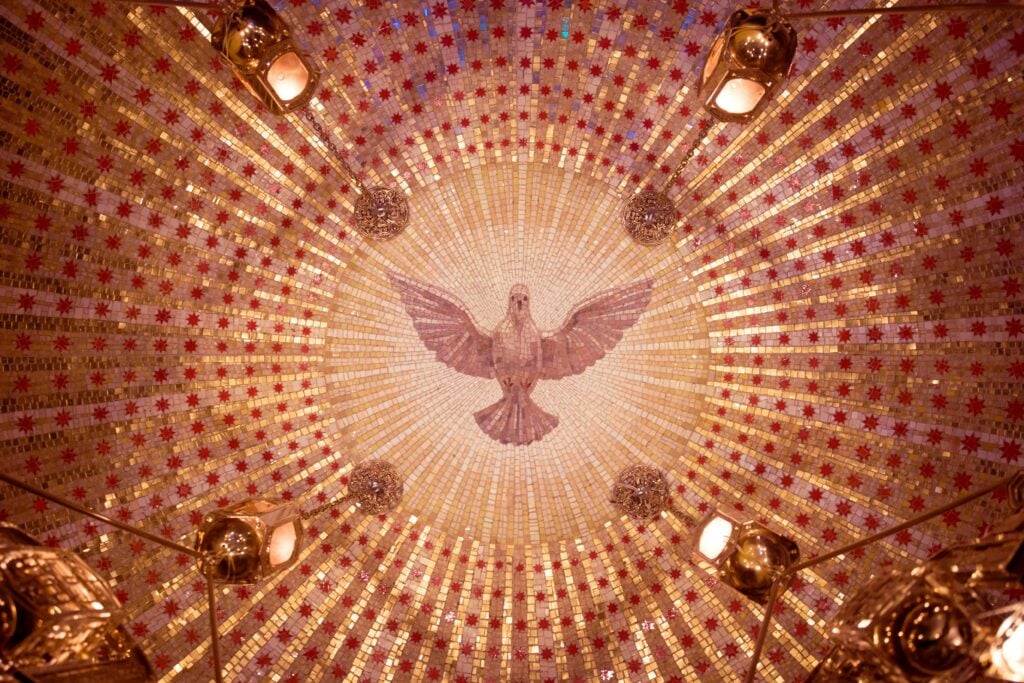
The Holy Spirit seems like an afterthought in the first version of the Nicene Creed. Discover the glories hidden in the creed’s short statement, and why they were expanded in the Creed we have today.
One Lord Jesus Christ, the Only Begotten Son of God
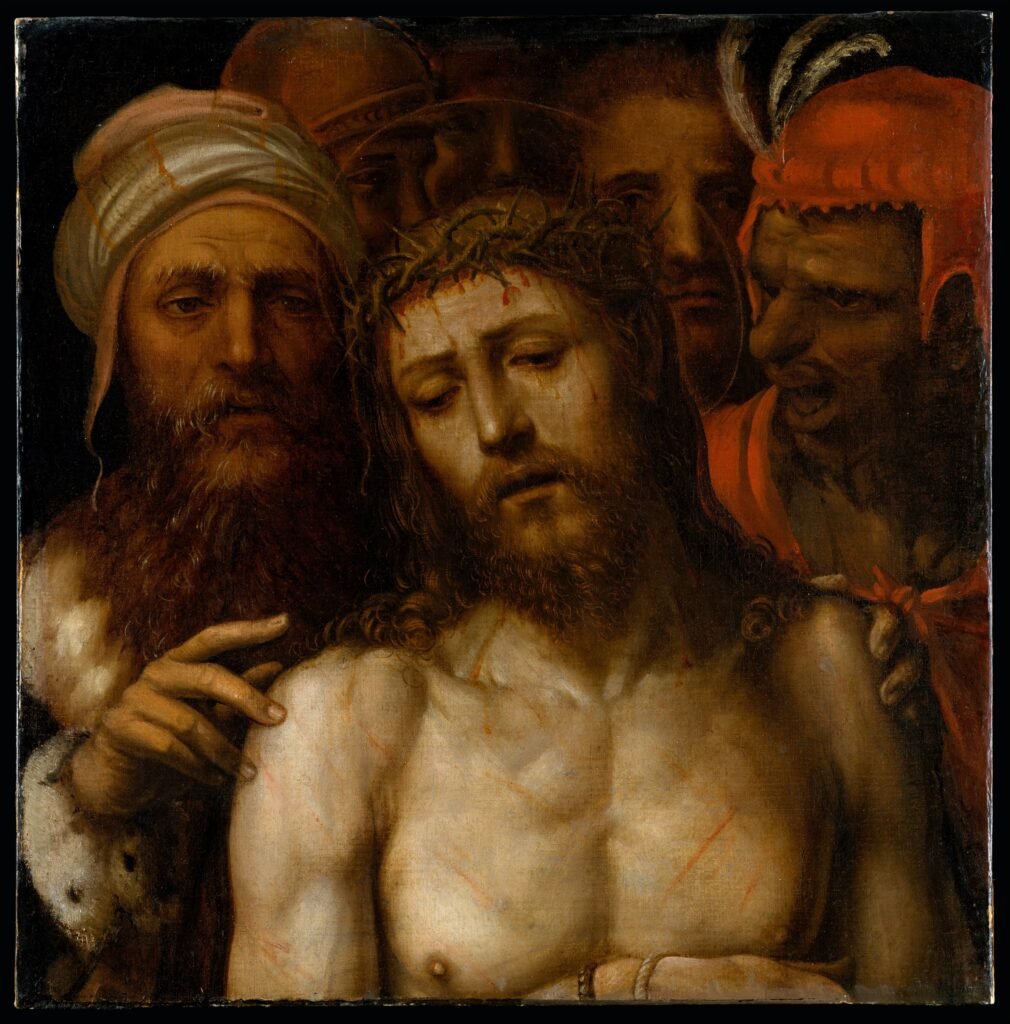
Is the Jesus of the Nicene Creed different than the Jesus of the Scriptures?
God the Father Almighty: The Trinitarian Depth of the First Article of the Creed

To rightly understand the true Son, one must rightly understand how the Son relates to the Father. This is our God!
On the Trail of Orthodoxy: The Person-Nature Distinction in the Nicene Creed and Beyond

Nothing is as vital for understanding the doctrine of the Trinity as the distinction between ‘natures’ and ‘persons.’ The distinction is simple to initially grasp, and yet is one of the deepest mysteries of Christian theology. How and why did the Nicene theologians develop this doctrine? And how can we still use it today?
The Land Promise in Hebrews

The book of Hebrews stirs up our longing for the Promised Land. This is no earthly city, however, but rather the heavenly city where we will dwell with our God.
Perfected and Perfecting: The Theme of Perfection in Hebrews

In order to dwell with God, God’s people needed to be perfected. And there was one man fit for the job—the God-man who had been perfected himself.
Is Roman Catholicism a Creedal Faith?

Does reciting a creed make a church creedal? It depends on what they think the creed means.

