

The Reliability of the Gospels: Rock or Sand?
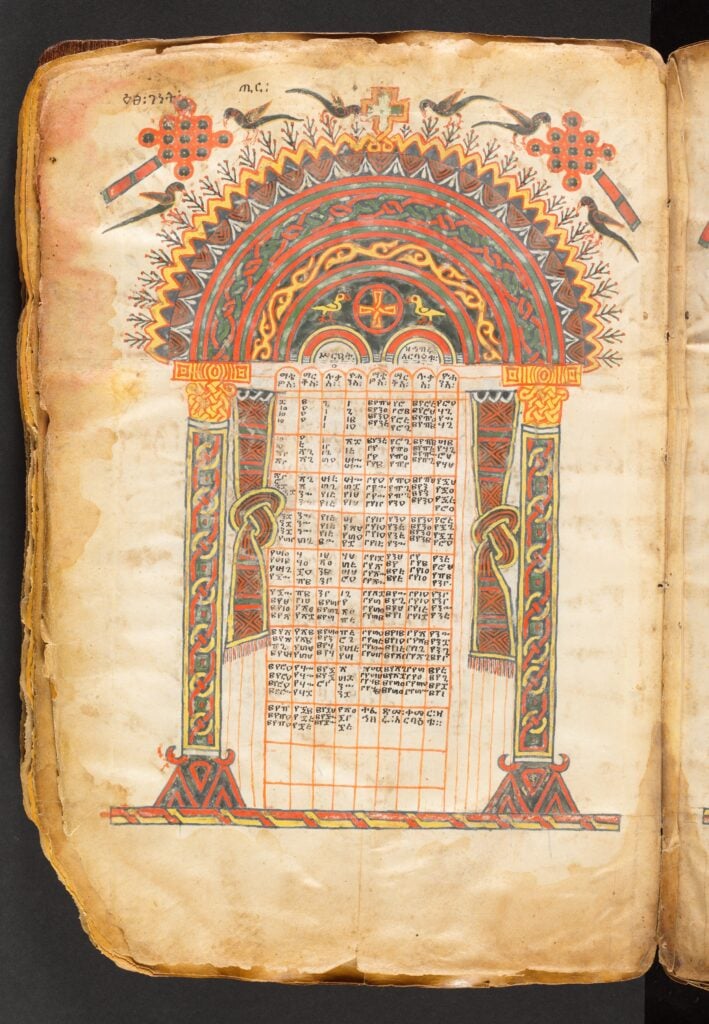
Christianity hinges on history: if the Gospels are not trustworthy accounts of Jesus’s life, death, and resurrection, the faith collapses. But are they myth shaped by early belief, or historical testimony grounded in eyewitness experience and apostolic oversight? This question is not peripheral—it is foundational.
Aren’t Catholics and Evangelicals United by the Nicene Creed? A Review of a Book That Answers This Question
“Surely we believe in one and the same Lord Jesus Christ” is often claimed to be the foundation of agreement between Roman Catholic doctrine and evangelical theology. But is this affirmation enough to be the grounds of ecumenical unity between Rome and Protestants?
God from God: Recovering the Nicene Doctrine of Eternal Generation

In an age of Christological confusion, the confession that Jesus is “God from God, Light from Light” remains a vital safeguard of his eternal divinity. The Nicene doctrine of eternal generation, grounded in Scripture, offers clarity, depth, and stability for the church’s worship and witness today.
Brothers, Preach the Nicene Creed to Magnify Your God

There are certain Christian truths where eternity hangs in the balance. The Trinity is foremost among them. The Nicene Creed—preached from the pulpit—addresses the Trinitarian deficiency present among evangelicals.
Debatable, Unnecessary, or Essential? The Virgin Birth and Mary as the Mother of God
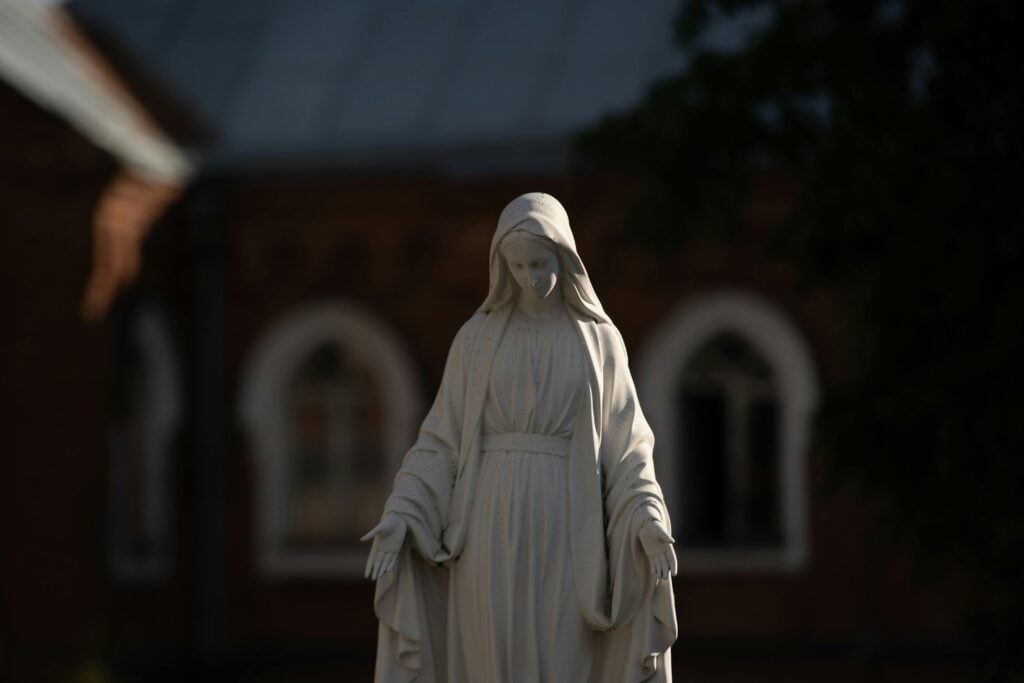
All the creeds agree: the Lord Jesus “became incarnate of the Virgin Mary.” But how essential is the affirmation of the virgin conception of Jesus? And is it appropriate to call her “the mother of God”? Michael Pereira weighs in on these two questions.
Nicaea & Nestorius: Why Old Creeds Are Not Enough to Guard From New Challenges

Creeds are helpful and necessary, but only insofar as they clarify and define the teaching of the Scriptures. Once creeds and their language start to lose purchase with people in the church, or do not clearly address the issue of the day, it is important to further define or update them.
The 1925 Scopes Evolution Trial: Why It Matters 100 Years Later
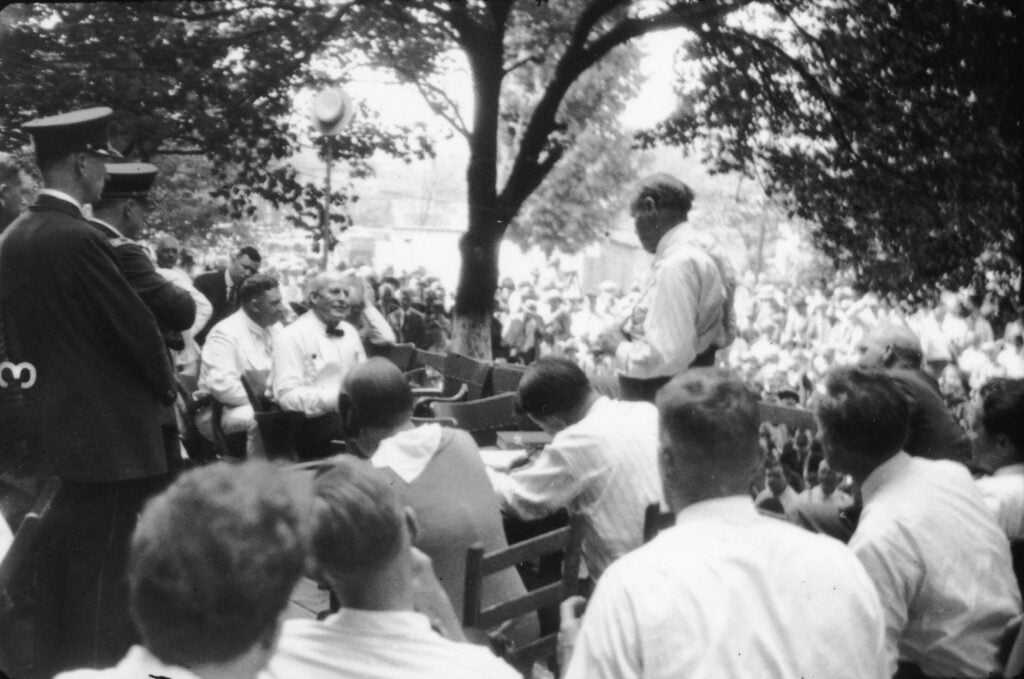
100 years ago, a bizarre and comical event brought agnostic objections to creationism in full view. Today, the same biblical truths and more are on trial. Our testimony must be faithful to every word of the Word.
Creeds and Quiet Time: How the Nicene Creed Helps Us Read the Bible
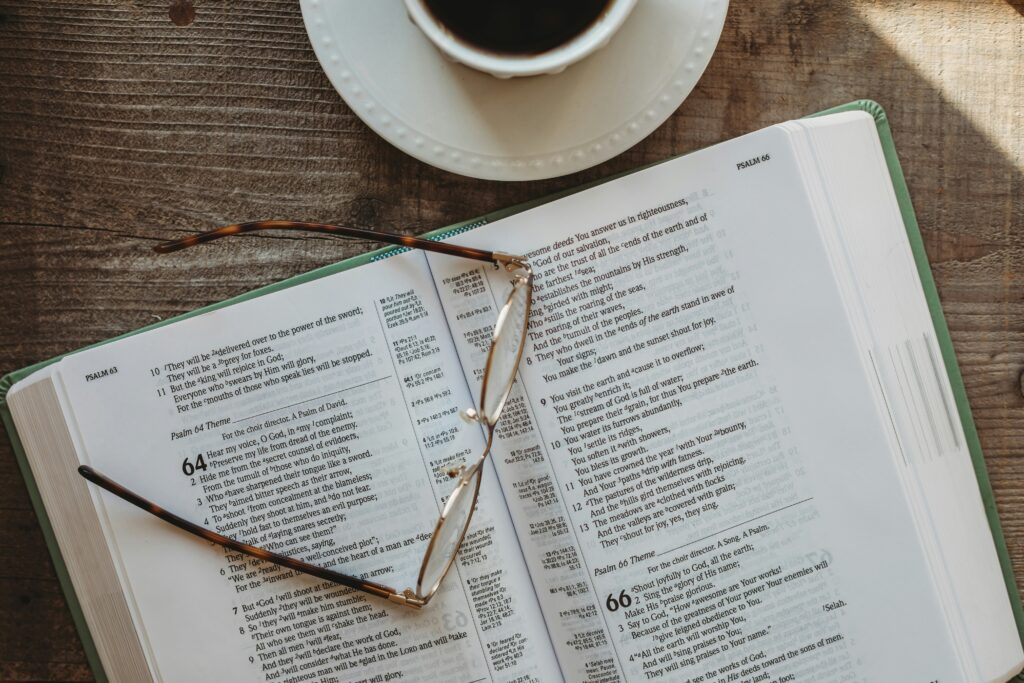
Should we use the Nicene Creed when we read the Bible? Yes. Rather than distorting Scripture’s sense, the Creed enhances it by aligning our worldview with that of the biblical authors, so that we more readily and deeply comprehend Scripture’s meaning. But there is a danger in turning to the Creeds—if wrongly applied, they can subvert Scripture’s authority and lead us back to Rome. So let’s learn the right and wrong ways to use the Nicene Creed in our quiet time.
How Should One Understand One, Holy, Catholic, and Apostolic?
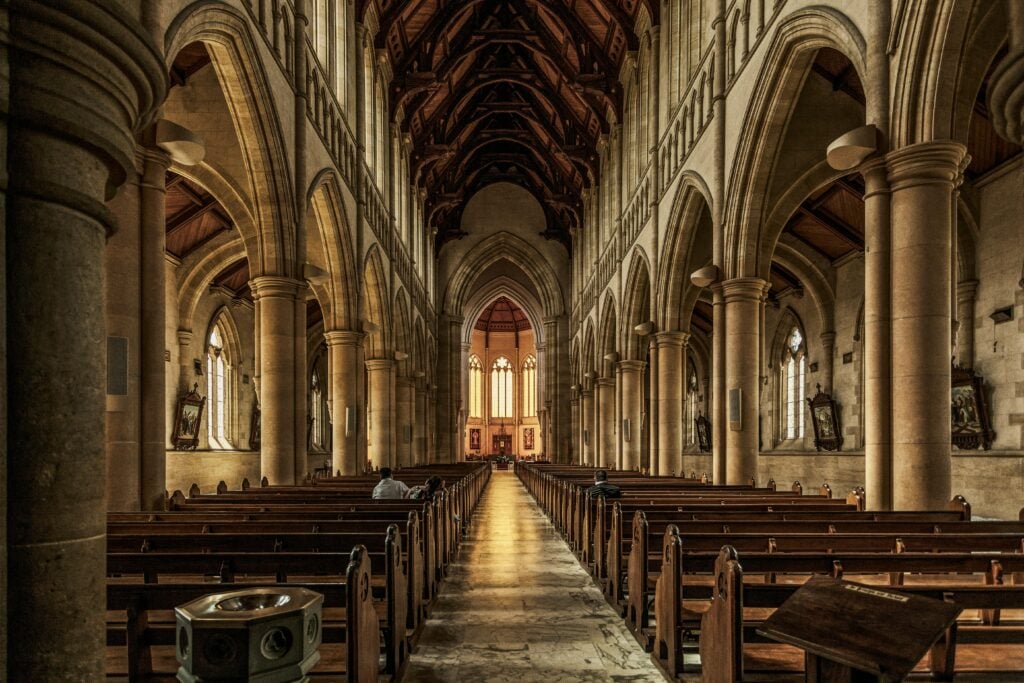
When most people think of the Nicene Creed, they think of the Trinity. But the doctrine of God is not all that Nicaea addressed. The Creed called the church “one, holy, catholic, and apostolic.” How can we as Protestants affirm this section of the Creed without returning to Rome?
“What hath Nashville to do with Nicaea?”

In rejecting creeds like Nicaea for the sake of ‘soul liberty’ and biblicism, many Baptists—especially in America—have inadvertently marginalized the central theological claim of Scripture: the revelation of the one true God as Triune.
Christ Came for Us Men and for our Salvation

Is the gospel a mere historical announcement of what Jesus has done? Or does it include a call to embrace a personal salvation that Jesus was sent down to accomplish?
On The Holy Spirit

The Holy Spirit seems like an afterthought in the first version of the Nicene Creed. Discover the glories hidden in the creed’s short statement, and why they were expanded in the Creed we have today.


