

Creeds and Quiet Time: How the Nicene Creed Helps Us Read the Bible

Should we use the Nicene Creed when we read the Bible? Yes. Rather than distorting Scripture’s sense, the Creed enhances it by aligning our worldview with that of the biblical authors, so that we more readily and deeply comprehend Scripture’s meaning. But there is a danger in turning to the Creeds—if wrongly applied, they can subvert Scripture’s authority and lead us back to Rome. So let’s learn the right and wrong ways to use the Nicene Creed in our quiet time.
How Should One Understand One, Holy, Catholic, and Apostolic?
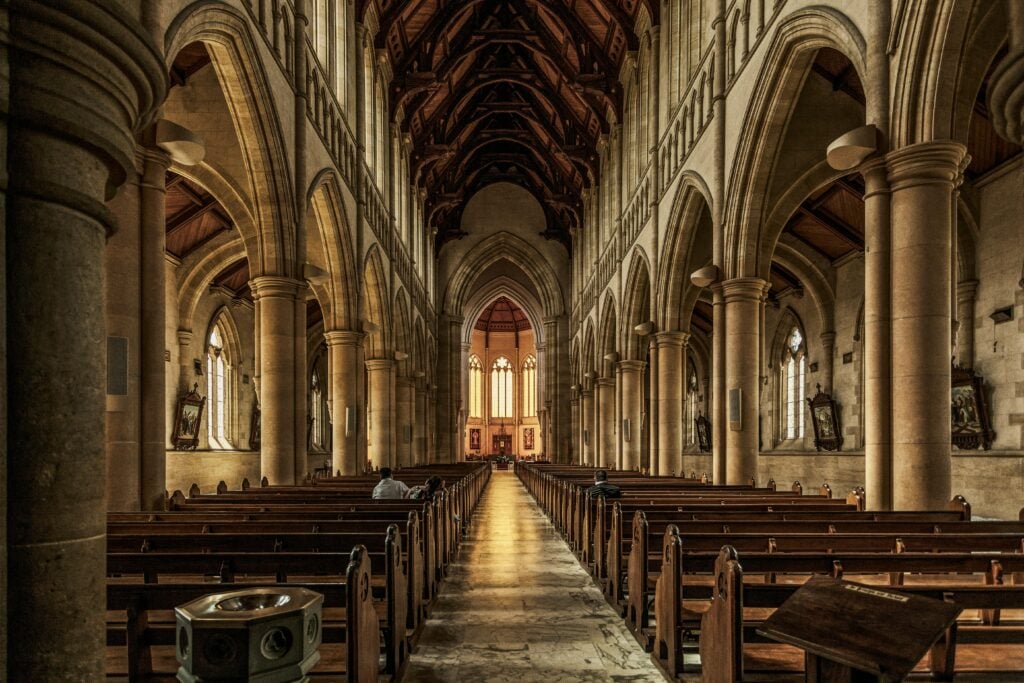
When most people think of the Nicene Creed, they think of the Trinity. But the doctrine of God is not all that Nicaea addressed. The Creed called the church “one, holy, catholic, and apostolic.” How can we as Protestants affirm this section of the Creed without returning to Rome?
“What hath Nashville to do with Nicaea?”

In rejecting creeds like Nicaea for the sake of ‘soul liberty’ and biblicism, many Baptists—especially in America—have inadvertently marginalized the central theological claim of Scripture: the revelation of the one true God as Triune.
Christ Came for Us Men and for our Salvation

Is the gospel a mere historical announcement of what Jesus has done? Or does it include a call to embrace a personal salvation that Jesus was sent down to accomplish?
On The Holy Spirit

The Holy Spirit seems like an afterthought in the first version of the Nicene Creed. Discover the glories hidden in the creed’s short statement, and why they were expanded in the Creed we have today.
One Lord Jesus Christ, the Only Begotten Son of God
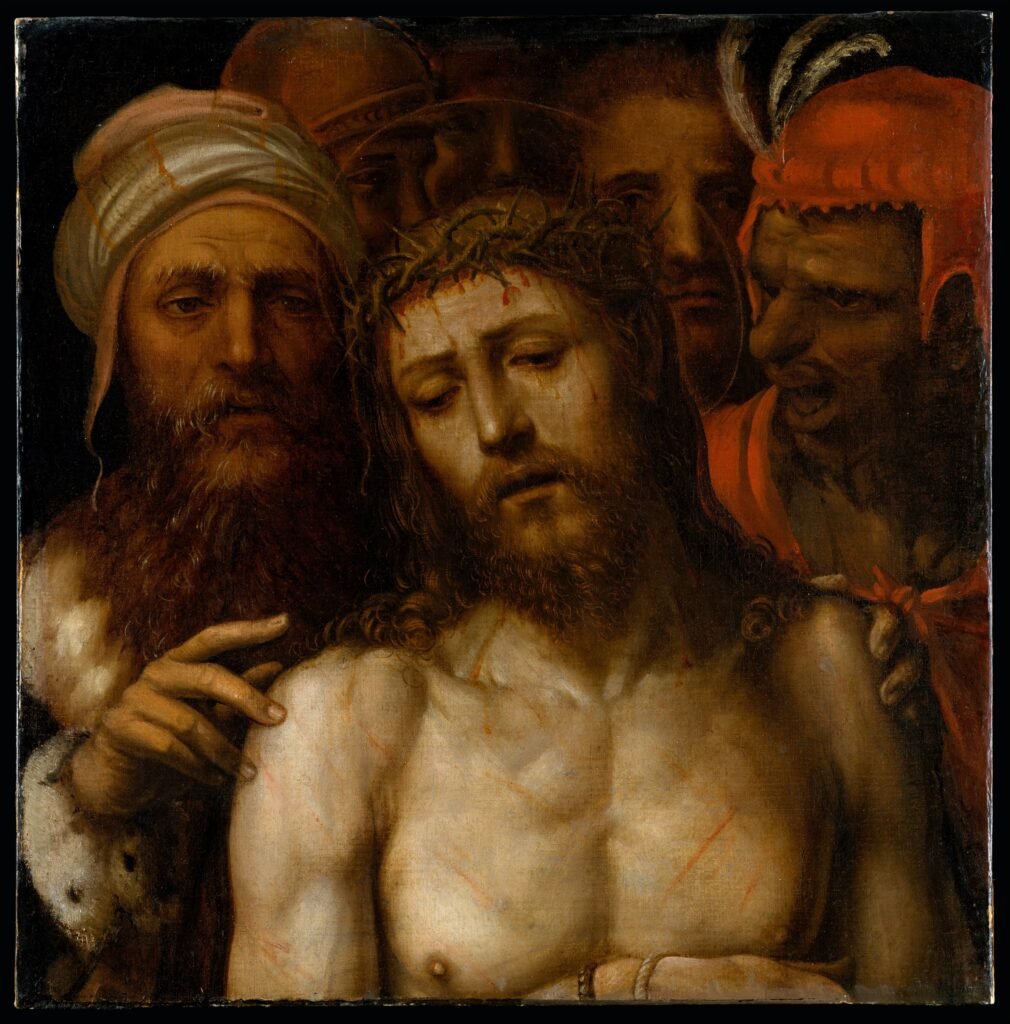
Is the Jesus of the Nicene Creed different than the Jesus of the Scriptures?
God the Father Almighty: The Trinitarian Depth of the First Article of the Creed

To rightly understand the true Son, one must rightly understand how the Son relates to the Father. This is our God!
4.31 Donald Fairbairn • Reading • “Creeds and the Gospel: From the Beginnings to the Council of Nicaea (325)”

Should we abandon man-made confessions of faith and instead have “no creed but Christ”? Enter the Council of Nicaea in 325 A.D.
Creeds and the Gospel: From the Beginnings to the Council of Nicaea (325)
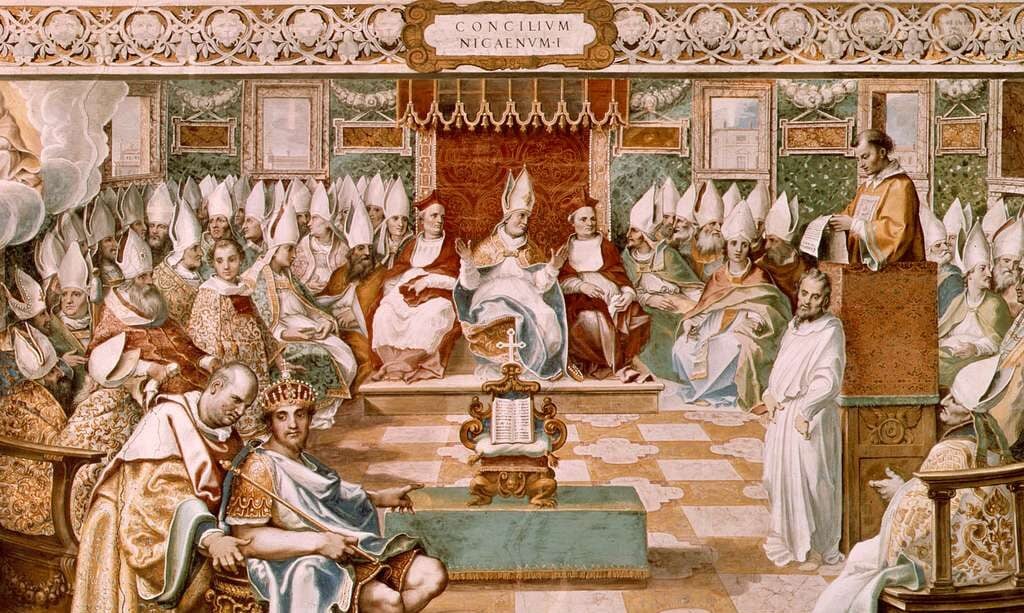
Should we abandon man-made confessions of faith and instead have “no creed but Christ”? Enter the Council of Nicaea in 325 A.D.
On the Trail of Orthodoxy: The Person-Nature Distinction in the Nicene Creed and Beyond

Nothing is as vital for understanding the doctrine of the Trinity as the distinction between ‘natures’ and ‘persons.’ The distinction is simple to initially grasp, and yet is one of the deepest mysteries of Christian theology. How and why did the Nicene theologians develop this doctrine? And how can we still use it today?
The Trinitarian Framework of the Nicene Creed

All attempts to point to ‘Nicene Christianity’ and ‘creedal orthodoxy’ as the common ground between Roman Catholicism and evangelicalism are historically simplistic and theologically superficial. How the trinitarian framework is received, believed, and applied indicates a significant distance between the two traditions despite formal points of agreement. The words used are the same, but the theological worlds they open are different.
June Intermission: From Fatherhood to the Father and the Son at Nicaea

Join us in July as we turn from June’s discussion on fatherhood to July’s treatment of the Father, Son, and Spirit at the Council of Nicaea and beyond.

